Fiber Laser Cutting Machine Operation and Selection Guide

Arkmex

Fiber Laser Cutting Machine Operation and Selection Guide

Learn how fiber laser cutting machines work, how to choose machine models and laser power, what materials and cutting thickness to confirm, and what information to provide before quotation.

Fiber Laser Cutting Machine Operation and Selection Guide

This guide helps industrial buyers understand the laser cutting process, compare Arkmex machine models, and prepare practical production information before requesting a quotation.

01

How Fiber Laser Cutting Works

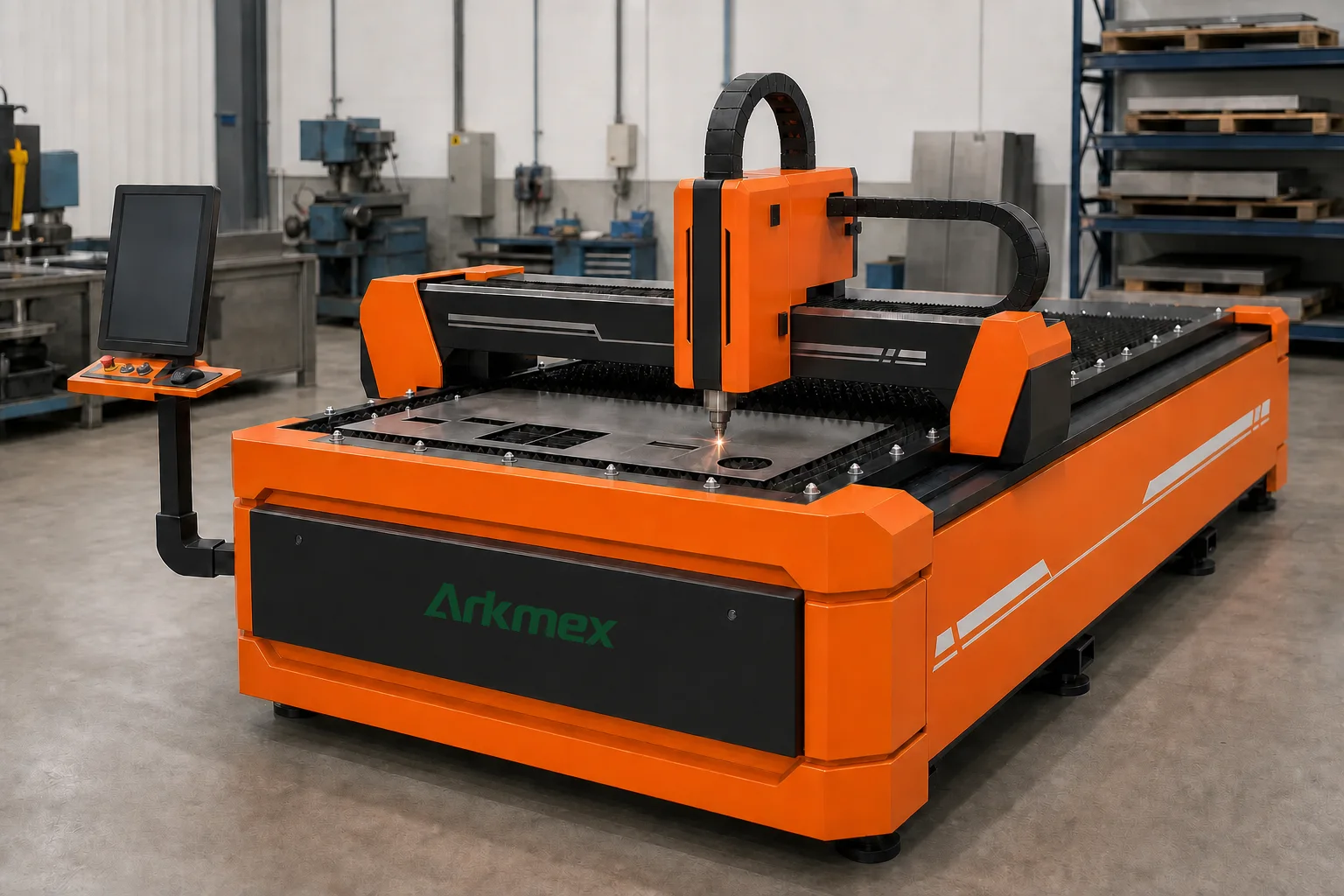
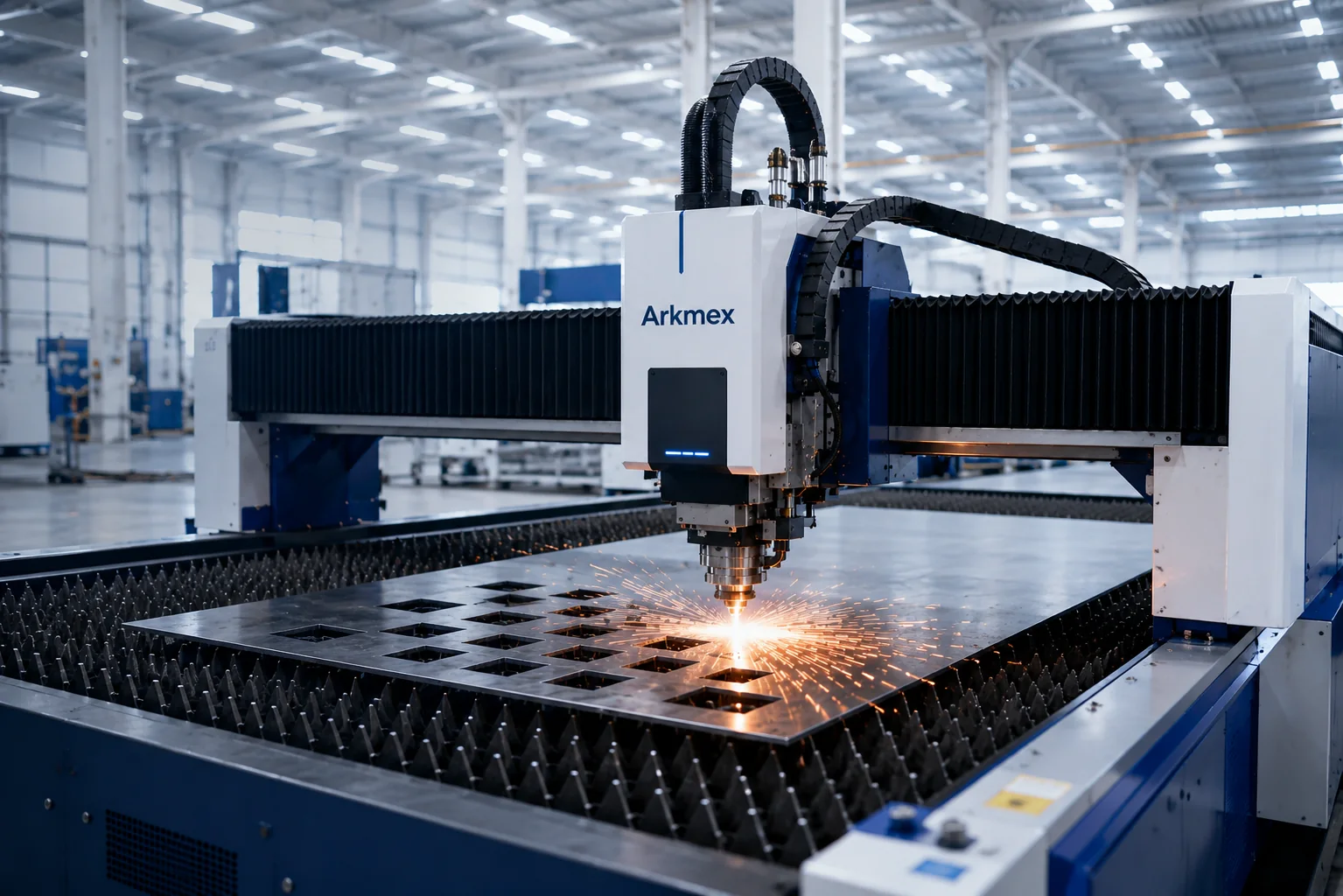
A CNC fiber laser cutting machine focuses a high-energy laser beam on metal material while assist gas removes molten metal from the cutting kerf. The result is fast processing, narrow kerf width, clean edges, and repeatable cutting accuracy for industrial metal fabrication.

02

Supported Cutting Materials

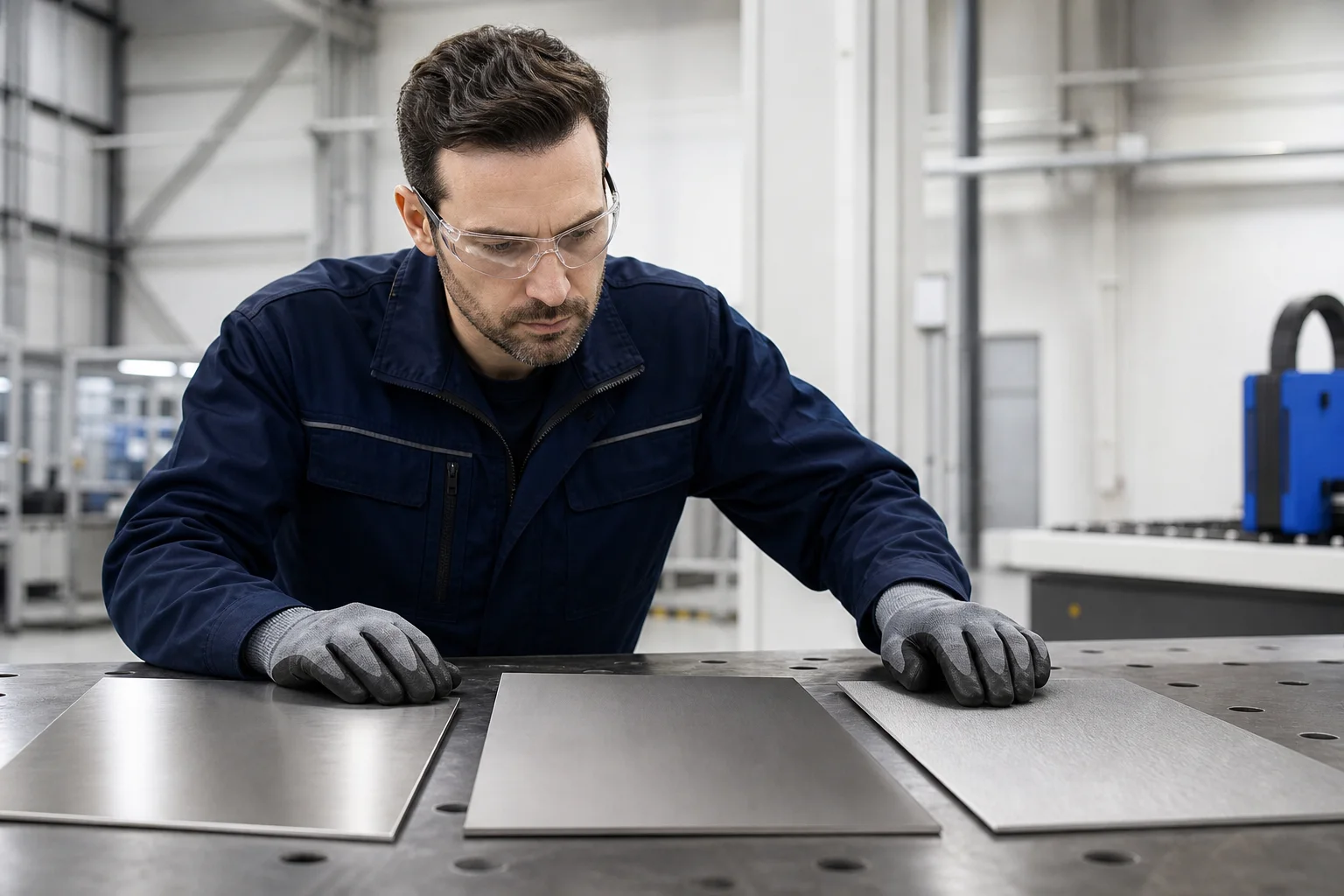
Arkmex machines are commonly used for carbon steel, stainless steel, aluminum, brass, copper, galvanized sheet, sheet metal parts, and tube profiles. Actual cutting capacity depends on laser power, gas, material quality, and process settings.

03

How to Choose the Right Machine

Choose AX-3015E for sheet metal workshops and thin sheet processing, AX-6020H for thick plate and high-volume industrial metal laser cutting, and AX-6000T for round, square, rectangular, and profile tube cutting applications.

04

How to Choose Laser Power

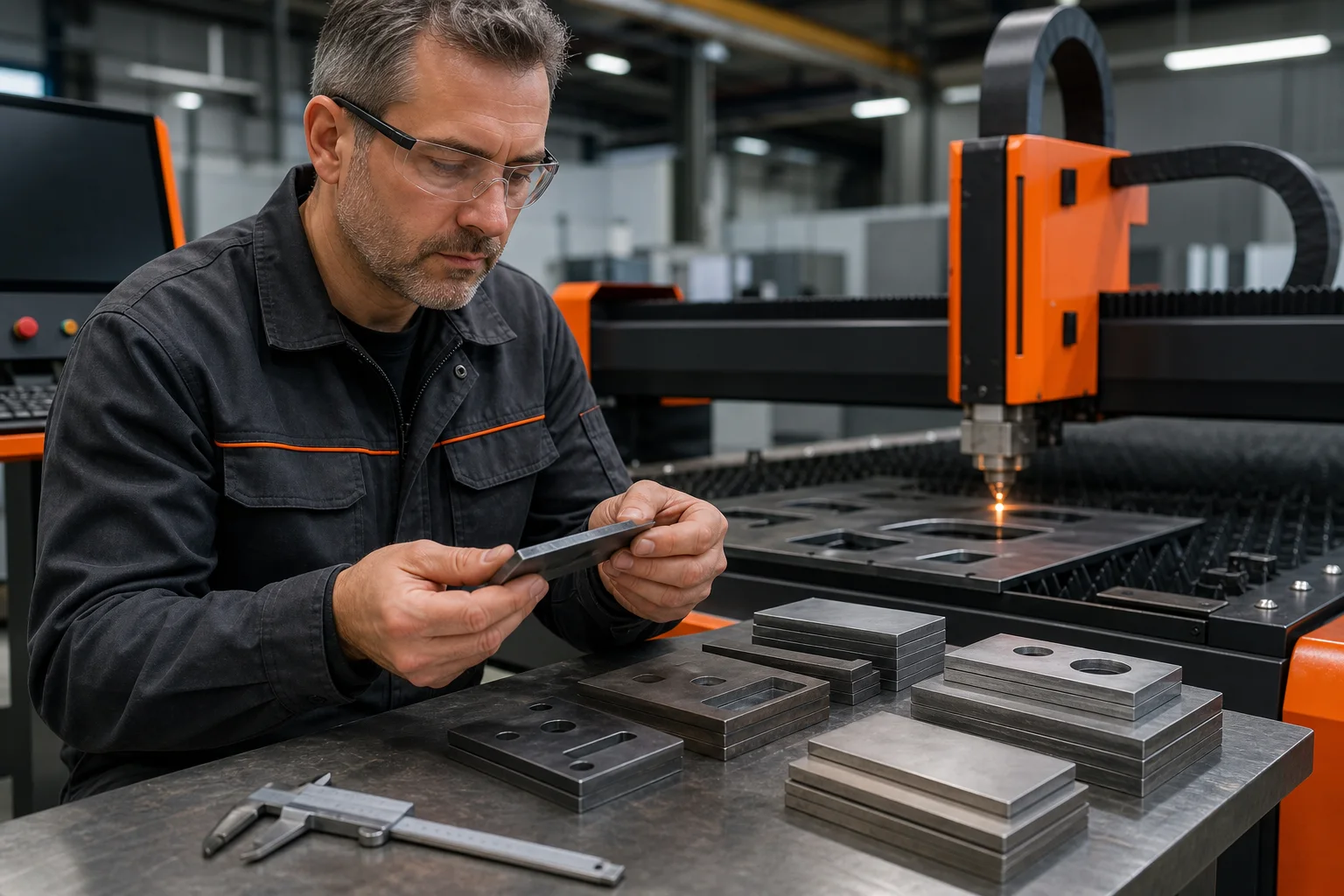
Power selection should be based on daily material mix, typical thickness, cutting speed target, and budget. If 80% of your daily work is below 5mm, 1kW-3kW is usually practical; below 12mm, consider 3kW-6kW; below 30mm, consider 6kW-20kW.

05

Information Needed Before Quotation

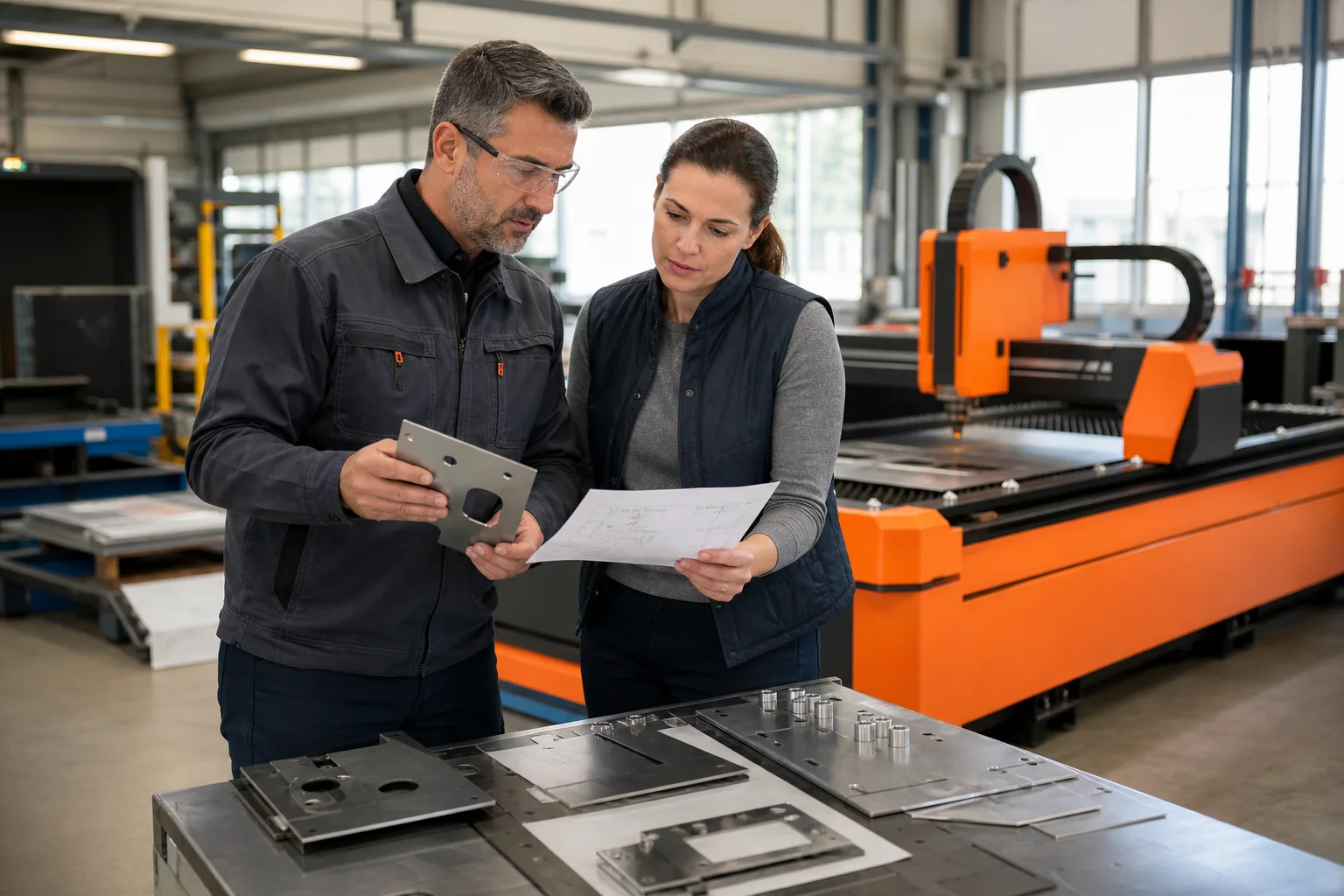
Please provide cutting material, material thickness, working area or tube size, expected production volume, target cutting speed, required laser power if known, destination country, and any special automation or loading requirements.

06

Operation, Training, and Support

Arkmex provides operation guidance, remote technical support, spare parts assistance, cutting parameter suggestions, and maintenance advice to help customers keep machines running reliably after delivery.

Supported Cutting Materials

Arkmex machines are commonly used for carbon steel, stainless steel, aluminum, brass, copper, galvanized sheet, sheet metal parts, and tube profiles. Actual cutting capacity depends on laser power, gas, material quality, and process settings.

Stainless steelCarbon steelAluminumBrassCopperGalvanized sheet

How to Choose the Right Laser Power?

Power selection should be based on daily material mix, typical thickness, cutting speed target, and budget. If 80% of your daily work is below 5mm, 1kW-3kW is usually practical; below 12mm, consider 3kW-6kW; below 30mm, consider 6kW-20kW.

Laser power range 1kW-3kW
Recommended daily cutting≤5mmmaterial thickness limit

Suitable for daily 80% below ≤5mm thickness materials cutting.

Laser power range 3kW-6kW
Recommended daily cutting≤12mmmaterial thickness limit

Suitable for daily 80% below ≤12mm thickness materials cutting.

Laser power range 6kW-20kW
Recommended daily cutting≤30mmmaterial thickness limit

Suitable for daily 80% below ≤30mm thickness materials cutting.

Operating Cost Analysis

Accurately calculating fiber laser cutting machine operating cost is the basis for reliable quotations and cost control. The key variable costs during real processing include electricity, assist gas, consumables, maintenance, and labor.

01

Electricity Baseline

Electricity consumption is directly related to laser type and power. For example, a 3000W fiber laser cutting machine may consume about 10.5kW as a complete system. With an electricity price of $0.15/kWh and actual laser-on cutting time at 70%, the estimated electricity cost is about $1.10 per hour.

02

Assist Gas Strategy

Assist gas selection has a major impact on cost and is one of the main reasons different materials have very different processing costs. Carbon steel is commonly cut with oxygen, with gas cost around $1.23 to $2.31 per hour. Stainless steel and aluminum usually require nitrogen; because pressure and consumption are higher, gas cost can rise to $3.08 to $7.69 per hour or more. When the process allows, air cutting can reduce gas cost to only compressor electricity consumption, around $0.46 to $0.77 per hour, making it an effective way to reduce thin carbon steel cutting cost.

03

Consumables & Maintenance

Daily consumables such as nozzles, protective lenses, and ceramic rings are replaced frequently. Preventive maintenance for core parts such as the cutting head should also be included. This combined cost is usually around $0.92 to $2.31 per hour.

04

Hourly Cost Control

Labor cost should not be ignored. If a skilled operator earns about $1,231 per month and supervises one machine, the labor cost is approximately $5.08 per hour. In total, when a 3000W fiber laser cuts stainless steel with nitrogen, electricity, gas, consumables, and labor alone can bring the variable operating cost to about $12.24 per machine hour. Independent power meters, gas flow meters, energy-efficient fiber equipment, more air cutting where suitable, and timely replacement of wear parts can help factories measure cost more accurately and find room for cost reduction.

Electricity

About $1.10 / hour

Estimated for a 3000W fiber laser system consuming about 10.5kW at 70% actual laser-on cutting time.

Assist Gas

$0.46-$7.69+ / hour

Oxygen, nitrogen, and air cutting create large cost differences. Air cutting can greatly reduce thin-sheet gas cost when the process allows.

Consumables

$0.92-$2.31 / hour

Nozzles, protective lenses, ceramic rings, and preventive cutting head maintenance should be included in the hourly cost.

Labor

About $5.08 / hour

Based on one skilled operator supervising one machine at an estimated monthly wage of about $1,231.

WhatsApp Email Get a Quote